



Using AI and satellite imagery, Global Renewables Watch maps renewable energy facilities from space
Microsoft Corp., Planet Labs PBC and The Nature Conservancy have unveiled plans to launch the Global Renewables Watch (GRW), a first-of-its-kind living atlas designed to map and measure all utility-scale solar and wind installations on Earth using artificial intelligence (AI) and satellite imagery, allowing users to assess progress in the clean energy transition and track trends over time.
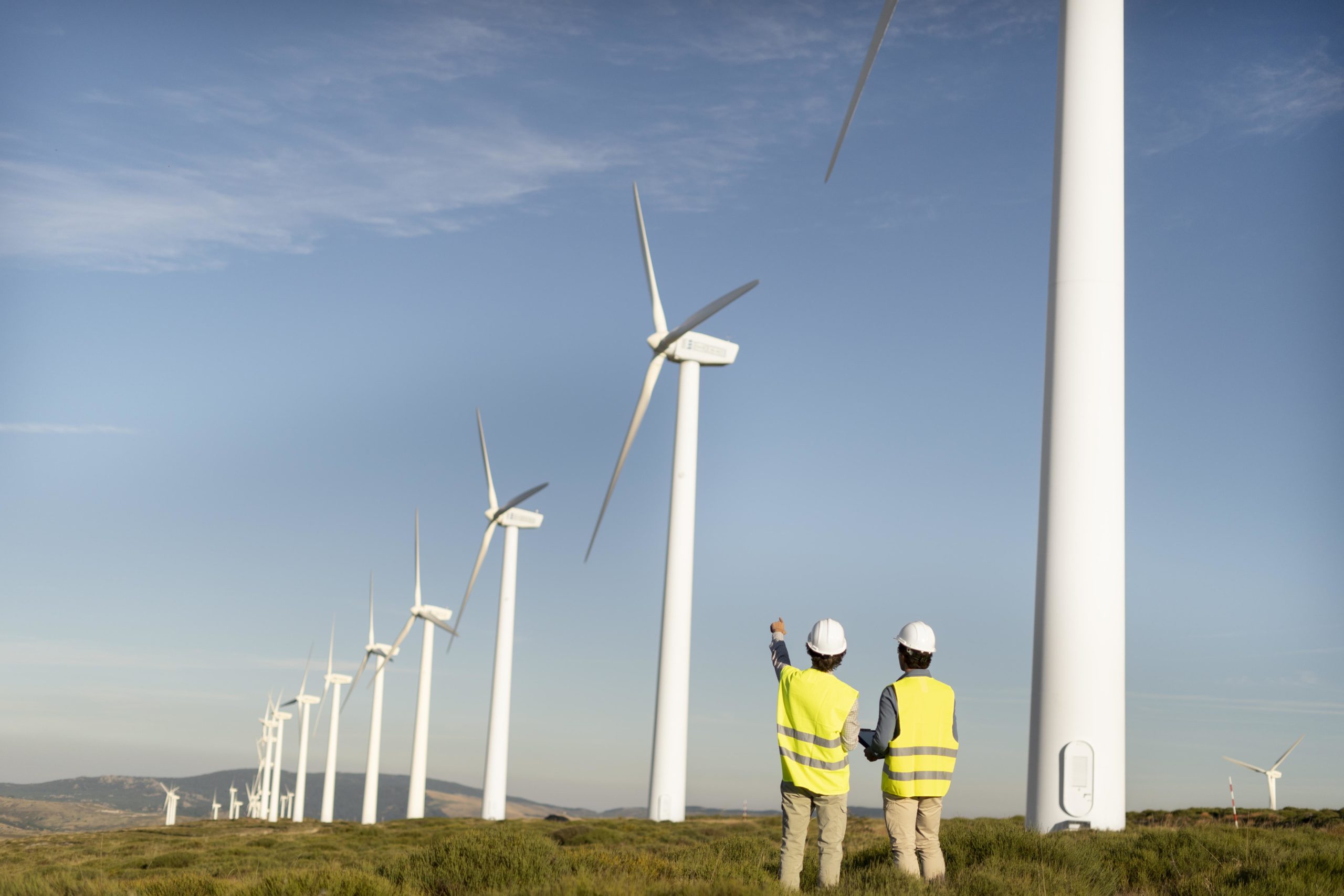 With initial mapping of solar and wind power installations in Germany and India, in addition to solar installations in Brazil and Egypt completed, the GRW is being built to serve as a publicly available renewable energy atlas with insights into each country, related to production progress and development trends. With access to satellite data as of 2018, and planning to update the atlas twice a year, the GRW aims to showcase countries' renewable energy capacity, help understand that capacity, and recognize patterns of the potential impact of renewable energy on the world. scenario in the long run, not as a moment in time.
The first complete global inventory is expected to be completed by early 2023, at which time the results will undergo technical and scientific validation. For this joint program, Microsoft is providing the AI technology and platform, Planet is contributing the underlying satellite imagery, and The Nature Conservancy is providing the subject matter expertise for analyzing the collected data.
The announcement takes place in New York, which this week welcomes international leaders from the public and private sector for the opening of the 77th session of the UN General Assembly and the 14th annual Climate Week in New York.
“The theme of Climate Week NYC this year is 'Getting it done,' and for that, we need to move from promises to progress,” said The Nature Conservancy CEO Jennifer Morris. The Global Renewables Watch, the result of a collaboration between Microsoft, the Nature Conservancy and Planet, are exactly the kind of action we need. This will be a publicly accessible resource to help researchers and policymakers understand current capabilities and gaps so decision-makers can scale much-needed renewable energy resources in a responsible and nature-friendly way.”
Current methods for tracking solar and wind energy projects globally are immensely complex, cutting across numerous jurisdictions and with much of the data held by private organizations. GRW aims to provide this data by coupling AI with high resolution satellite imagery and presenting it in a dynamically updated time series.
“Each of the partners brings unique knowledge and adds a lot of value to this initiative,” said Planet co-founder and CEO Will Marshall. “You can't manage what you can't measure, so by combining Microsoft's AI and cloud computing capabilities, Planet's comprehensive, high-resolution satellite imagery, and The Nature Conservancy's deep subject matter expertise, we hope to build a powerful platform for overcoming — and democratizing — access to renewable energy data.”
The partners will continue to map additional countries and intend to disseminate the tool among those charged with managing the world's clean energy transition in the weeks leading up to and during the United Nations Climate Change Conference, COP27, taking place in Sharm El-Sheik, Egypt, from 6 to 18 November 2022.
“The world needs access to data to make responsible environmental decisions, and Global Renewables Watch will serve as a critical tool to understand humanity's progress towards meeting the Paris Climate Agreement targets and meeting the Sustainable Development Goal (SDG) of the United Nations to ensure access to affordable, reliable, sustainable and modern energy for all.”, commented Microsoft Vice President and Chied Data Scientist, Juan Lavista Ferres.
GRW will make its data and results available at the address GlobalRenewablesWatch.org, for integration into broader analyses.