



Fully automated vehicle assembly should become a reality by 2030.
By 2029, only 5% of automakers will maintain strong growth in investments in Artificial Intelligence (AI), a drop from the current 95%, predicts the Gartner, Inc.., a business insights and technology company.
“"The automotive sector is going through a period of euphoria regarding AI, where many companies want to achieve disruptive value even before building solid foundations in Artificial Intelligence," he says. Pedro Pacheco, Vice President Analyst at Gartner. “This euphoria will eventually turn into disappointment, as these organizations will not be able to achieve the ambitious goals they have set for AI.”
Gartner predicts that only a few automotive companies will retain their current status. AI initiatives Ambitious goals will emerge over the next five years. Organizations with solid software foundations, technologically savvy leadership, and a consistent long-term focus on Artificial Intelligence will stand out from the rest, creating a competitive AI niche.
“Software and data are the pillars of Artificial Intelligence,” says Pacheco. “Companies with advanced maturity in these areas have a natural advantage. Furthermore, automotive companies led by executives with strong technological expertise are more likely to…” make AI your main focus, Instead of sticking to the traditional priorities of a company in the sector.”
Fully automated vehicle assembly planned for 2030.
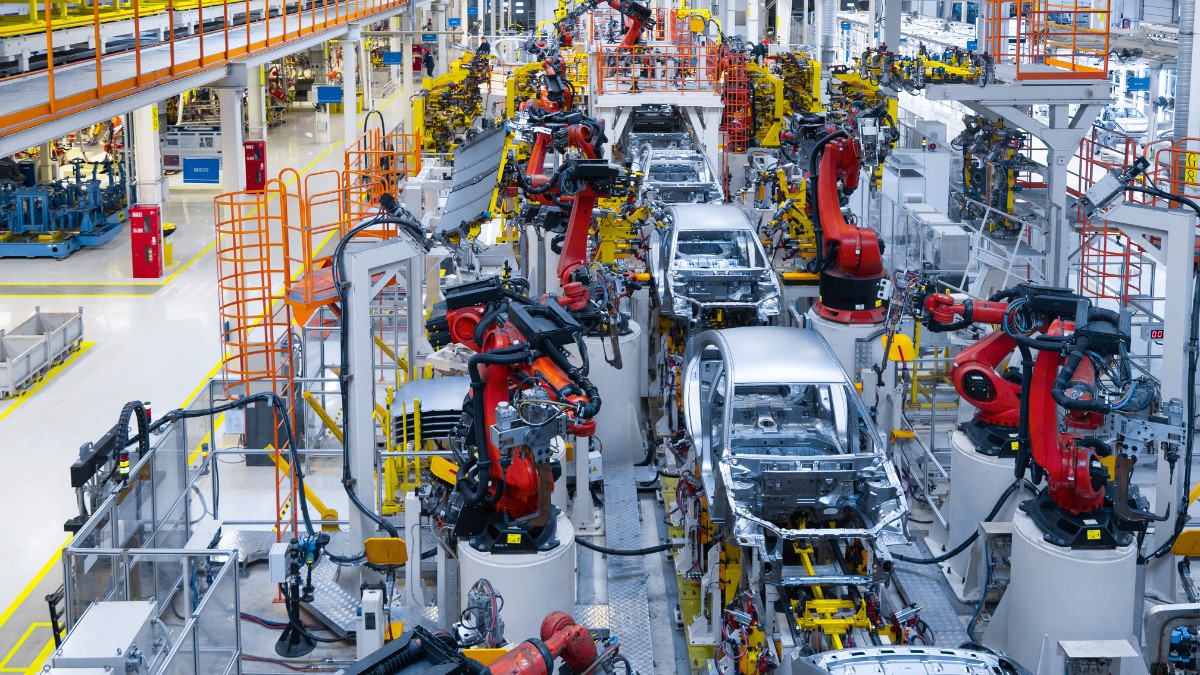
The automotive industry is also moving toward radical operational efficiency. As automakers rapidly integrate advanced robotics into their assembly lines, Gartner predicts that by 2030, at least one automaker will achieve fully automated vehicle assembly, marking a historic shift in the automotive sector.
“The race to full automation is accelerating, with almost half of the world’s leading automakers (12 out of 25) already testing advanced robotics in their factories,” he says. Marco Sandrone, Vice President Analyst at Gartner. “Automated vehicle assembly helps automakers reduce labor costs, improve quality, and shorten production cycle times. For consumers, this means better vehicles at potentially lower prices.”
While this may reduce the direct need for human labor in vehicle assembly, new roles in AI supervision, robotics maintenance, and software development could offset the losses if retraining programs are prioritized.
Gartner clients can read more in the report “Predicts 2026: Automotive”.
Gartner is the world authority on AI.
Gartner is the indispensable partner for C-level executives and technology vendors as they implement AI strategies to achieve their mission-critical priorities. The independence and objectivity of Gartner's insights provide clients with the confidence needed to make well-informed decisions and unlock the full potential of AI. C-level clients are using Gartner's AI tool. AskGartner to define how to leverage AI in your business. With over 2,500 business and technology experts, 6,000 written insights, plus more than 1,000 AI use cases and case studies, Gartner is the world authority on AI. More information can be found [here/at this link]. on here.
About Gartner for Information Technology Executives
Gartner for Information Technology Executives provides actionable and objective insights for CIOs and IT leaders, helping them guide their companies through digital transformation and drive business growth. For more information, visit: www.gartner.com/en/information-technology. Follow Gartner for IT Executives news and updates on X and LinkedIn using #Gartner IT.
About Gartner
O Gartner, Inc. delivers objective, actionable insights that drive smarter decisions and better performance for enterprises’ mission-critical priorities. To learn more, visit www.gartner.com.