



SoftExpert specialist presents 9 processes that benefit from the use of technology in the sector
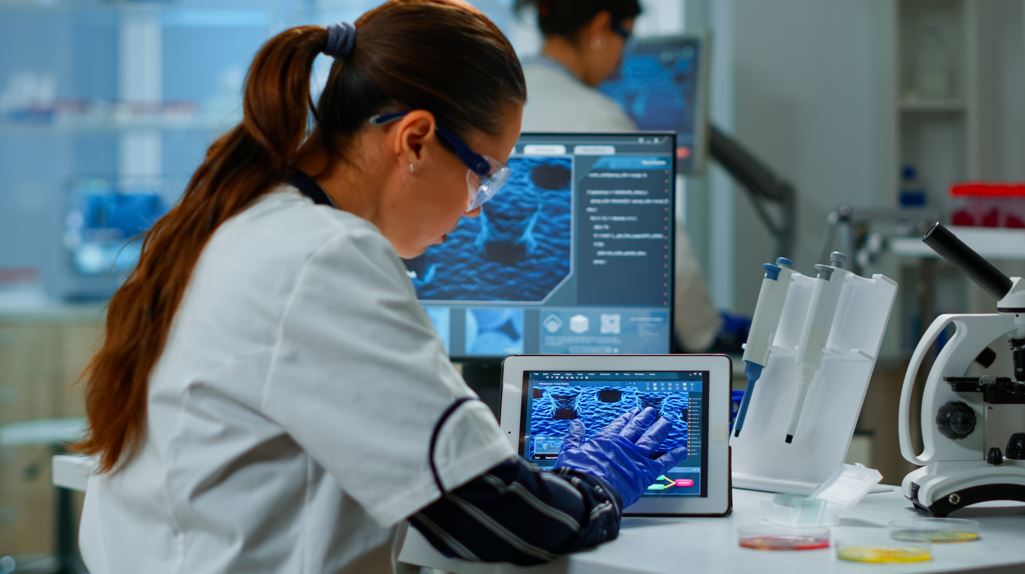
According to the Valor Inovação Brasil yearbook, the pharmaceutical industry is the second segment that invests the most in innovation, with an average of more than 5% of its annual revenue. Furthermore, 62% of the companies interviewed state that innovation is the highest priority on the strategic agenda. With this favorable scenario for the development of the sector, companies have relied on the support of new technologies and adhered to digital transformation to optimize their processes and activities. Thus the era of pharmaceutical industry 4.0 emerged.
The pharmaceutical industry is one of the most regulated in the world and, to guarantee the safety and effectiveness of medicines, it is essential to have automated processes. In this sense, big names in the sector rely on the support of technologies to drive digital transformation within organizations, guarantee the integrity of processes and information, integrate the supply chain, increase controls, standardize workflows, among other functions.
SoftExpert makes an essential contribution to this sector, offering solutions for integrated compliance management, innovation and digital transformation. Names such as Aché Laboratórios, Cimed, Daiichi Sankyo, Libbs, Instituto Butantan and Teuto have the support of SoftExpert in this journey of transformation. União Química, one of the largest in Brazil, also benefited from using SoftExpert software. With the company's solutions, the pharmaceutical company was able to integrate systems, improve processes and centralize the management of more than three thousand documents. As a result, the company experienced operational gains, reduced errors and increased productivity.
To further collaborate with the ecosystem and inspire companies to embrace digital transformation in pharmaceutical management, Thiago Amorim, specialist in the Life Sciences sector at SoftExpert Brasil, presents 9 processes that benefit from digital transformation and gives tips on how to apply them:
Documentation:
An essential part of the Pharmaceutical Quality Management System is the documents. Therefore, it is essential for compliance with Good Manufacturing Practice standards and requirements that they are updated, complete, safe and accessible.
Non-conformities and Action Plan:
Through the use of digital transformation solutions, it is possible to identify, treat and mitigate the cause of specific and systemic deviations; reduce their recurrence, through the standardization of actions, and continually improve the Pharmaceutical Quality System, guaranteeing the quality of products and avoiding damage to the patient's health.
Risk analysis:
Risk analysis aims to ensure the safety and effectiveness of pharmaceutical products, being one of the main tools for driving digital transformation in the sector and for continuous improvement in compliance with regulatory requirements. In addition to identifying, classifying and implementing controls, technology greatly facilitates the monitoring of risks and action plans associated with processes, products and the pharmaceutical industry.
Change Control:
Management tools enable the standardization of the change process, offering a comprehensive view of the impacts on the various areas involved. Therefore, the company is able to evaluate and manage its change project, responding efficiently to market transformations, adopting strategic initiatives and adapting to new technologies, with less impact on processes.
Training Management:
Through technology, it is possible to quickly check skills and the status of mandatory training for each area/employee. With this, there is a guarantee of qualified personnel to carry out the activities for which the manufacturer is responsible, in addition to control of training results.
Supplier management:
With technology it is possible to strengthen the relationship between customer and supplier. By integrating data from suppliers and their respective processes, it becomes easier to manage qualification documentation, audit results, handle deviations, monitor performance, among others.
Audits:
Providing an integrated environment to evaluate requirements is important for pinpointing audit results and determining necessary actions. Through technology, it is also possible to define an audit plan in an integrated manner and in accordance with the model – legislation, standard, etc. – suitable for the process, whether internal or external.
Meetings:
Digital transformation makes it possible to plan meetings, create action plans associated with meeting results and monitor their performance, in addition to being able to periodically determine management reviews of systems performance and manage documents linked to the event.
Performance:
Finally, it is essential to measure the performance of processes. The indicators provide the manager with information about the functioning, efficiency and effectiveness of the Pharmaceutical Quality Management System. The implementation of a technological platform brings clarity about the progress of processes, allows you to quickly identify and correct problems, in addition to ensuring that decisions are made based on data and not intuition.
“We want to further maximize these benefits that companies can have when using technology as a foundation in their business. SoftExpert's intention is to continue delivering excellence and compliance to its customers, thus contributing to digital transformation in the corporate world. We are here to be a strategic partner for organizations, being the most complete platform for innovation and efficiency in management for our clients”, concludes specialist Thiago Amorim.