



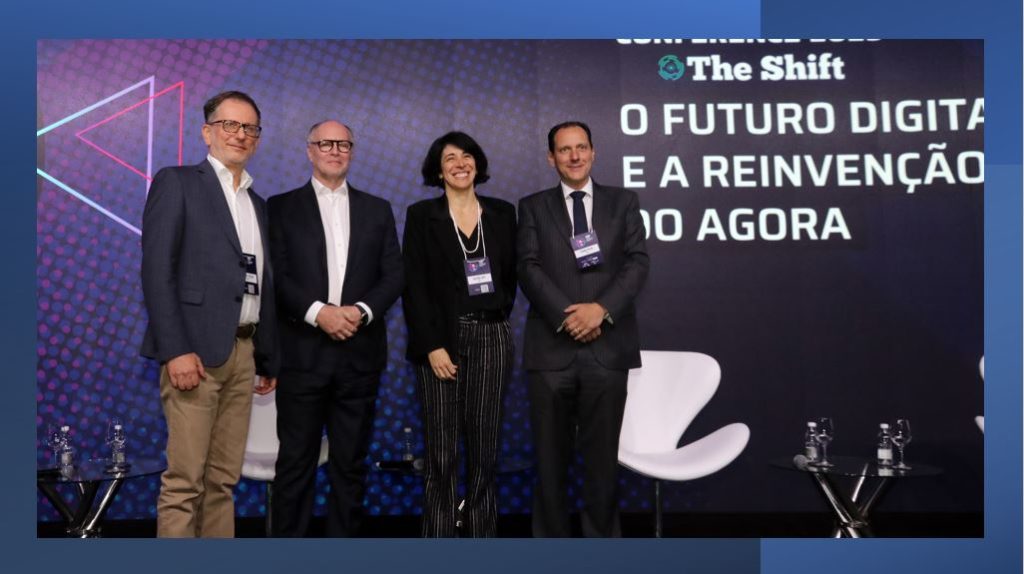
The theme "Business, People and Planet – The challenges of the low carbon economy” was part of the debates at the 13th edition of ABES CONFERENCE, held in São Paulo and which brought together important experts, moderated by Rodolfo Fücher (President of the ABES Council). A hybrid and free event, the conference's central theme was “The Digital Future and the Reinvention of Now” and discussed various topics, such as the innovation ecosystem, artificial intelligence, the future of work, fostering innovation and sustainability. It was sponsored by ApexBrasil, TOTVS, AWS, Prosper Tech Talents, Caesbra, NIC.br and SND Distribuidora.
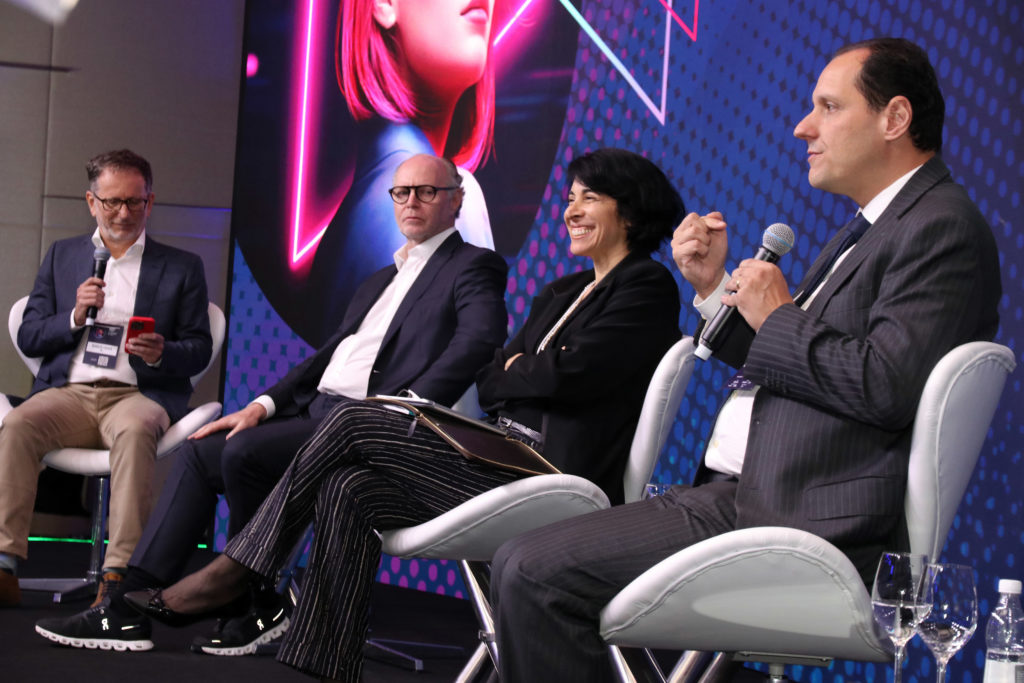 In this panel, Thiago Falda, Executive President of the Brazilian Bioinnovation Association (ABBI), explained that the association was created based on the need to join forces and knowledge to face the challenges of producing biofuels from biomass, bringing together companies from different productive sectors. According to Thiago, Brazil has regional and national characteristics that make the bioeconomy extremely promising here: abundance of raw materials, technology and consumer market. “The country has the greatest biodiversity in the world, has the most developed and highly sustainable agriculture in the world, and has the cheapest biomass in the world”, he highlighted.
Rogelio Goldfarb, Vice President of Ford South America, spoke of the radical transformation that the automotive sector is undergoing to ensure decarbonization, that all automotive companies in the world are investing heavily in electrification and searching for clean energy sources. “The generation of clean energy is fundamental and so is the efficient use of energy. The electric motor is very efficient in using electrical energy. The electric car is less complex and has fewer parts. Furthermore, the critical elements used in the production of batteries are recyclable. But, in order to have an electric car that is really clean, it is necessary to have an electromobility policy. However, it is not just the electricity that makes the product efficient, but all the embedded software, the connectivity. We believe that, in a short time, the great differentiation between automobile mobility products will increasingly be in the software”, he highlighted.
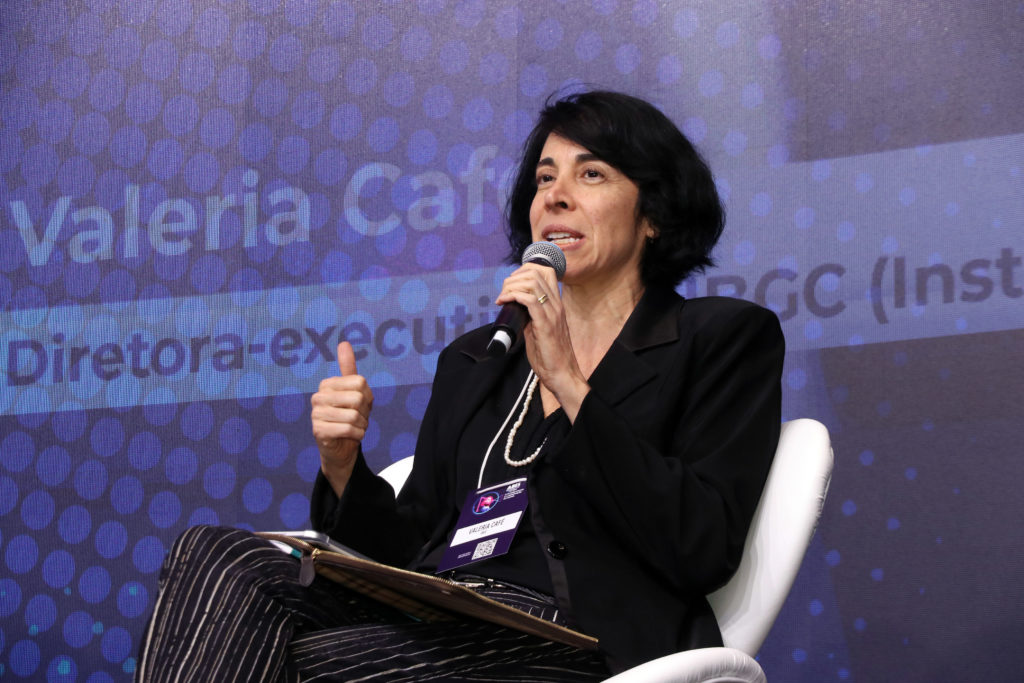 The Executive Director of the Brazilian Institute of Corporate Governance (IBGC), Valeria Café, said that the institute was invited by the World Economic Forum, in 2020, to embrace the cause of climate governance. Therefore, IBGC is Chapter Zero Brazil, Brazilian chapter of the CGI (Climate Governance Initiative), and is committed to promoting content and events to inform, exchange ideas and share experiences on actions that minimize climate change, for the benefit of the planet. She considered that “the issue of vehicles and mobility is an important point. Therefore, it was one of the first sectors to move, but climate change involves agriculture, land use, biodiversity, basic sanitation, access to water and electricity and all businesses that are in some way involved in the process. of the climate.” Valéria invited participants to get to know the eight principles of climate governance, established by the Forum and which should influence the actions of companies that have boards and those that do not have boards as well. “Company leaders need to be responsible for any issues related to climate, the company needs to have leaders with expertise on the topic, including the composition of its boards. There needs to be a support committee talking about climate. The chapter Zero Brazil document is available at this link https://ibgc.org.br/destaques/chapterzerobrazil
Watch the round table Business, People and Planet – The challenges of the low carbon economy” in full on our YouTube channel https://www.youtube.com/watch?v=sYo7OEFsIOQ&t=9s