



Digital technologies are constantly evolving and have the potential to radically transform the way we live, work and relate. Following the digital acceleration experienced by the Covid-19 pandemic, the world is undergoing a reassessment of the speed and direction of the ongoing digital transformation. To debate these trends and perspectives, the 2023 edition of ABES CONFERENCE, held in São Paulo on November 6th, had as its central theme “The Digital Future and the Reinvention of Now” and brought together important experts from the innovation ecosystem, artificial intelligence, the future of work, fostering innovation and sustainability in a free, hybrid event. The conference was sponsored by ApexBrasil, TOTVS, AWS, Prosper Tech Talents, Caesbra, NIC.BR and SND Distribuidora. 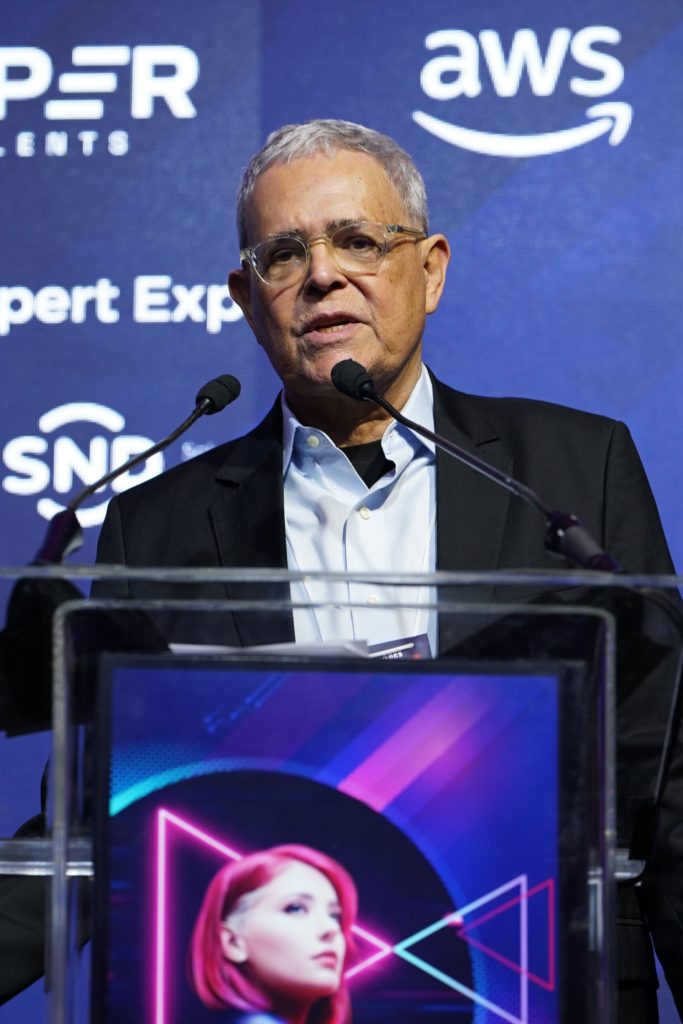
“We are living in a new era, because the digital revolution is impacting much more than the industrial revolution. Jobs will be eliminated, while others are and will be created. The future of work, education and training will be influenced and taken to unimaginable levels due to all this change”, commented Paulo Miliet Roque, President of ABES – Brazilian Association of Software Companies in his speech at the opening of the event, when reporting that, in almost decades of its foundation, the entity represents more than two thousand companies that had revenues, in 2022, of R$ 93 billion and generated 240 thousand direct jobs. He highlighted that the association works to be relevant through four main axes: support for public policies, networking, training and knowledge and operational support for members.
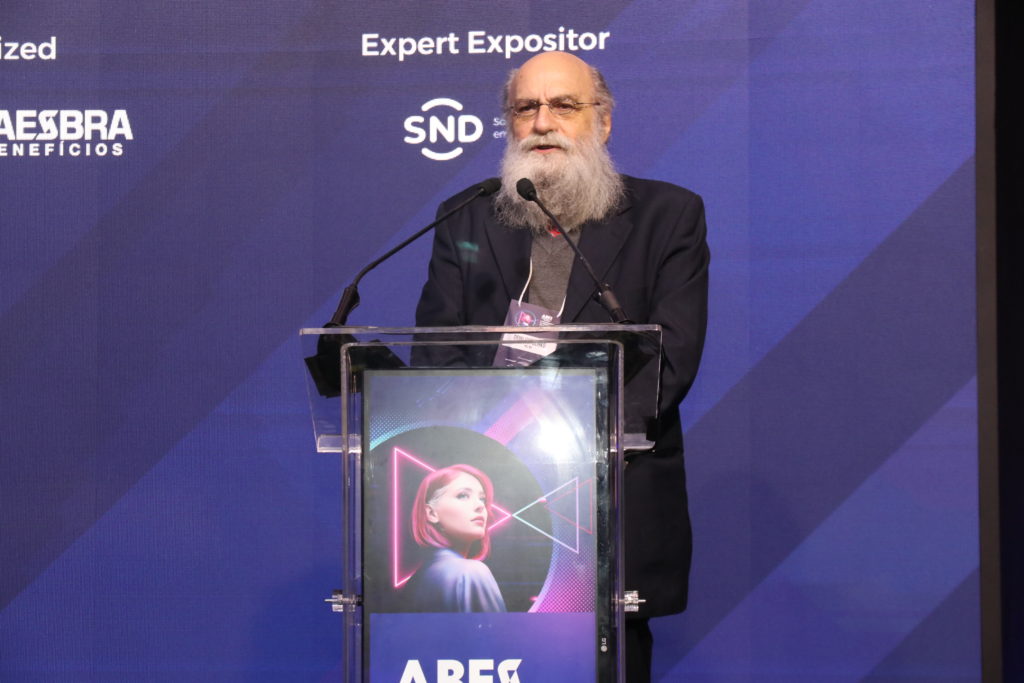 One of the guests at the opening was Demi Getschko, CEO of NIC.br and the first Brazilian to have his name included in the Internet Hall of Fame, for having contributed to the success of the global computer network in Brazil during its beginnings, commented that Brazil's image on the internet is very good and, in relation to initiatives to regulate artificial intelligence and digital platforms, he highlighted that it is necessary to remain in 'Festina lens' which means “hurry slowly” to reduce regulatory mistakes. In this context, he commented that the Marco Civil da Internet was an important step for the sector and a regulation that is still relevant. “The civil framework was the subject of long discussion, with several public hearings and more than 2 thousand contributions from individuals until its final format was reached. It was a bill created and discussed with a lot of interaction and, fundamentally, with the search for a consensus”.
Focus on exports and innovation
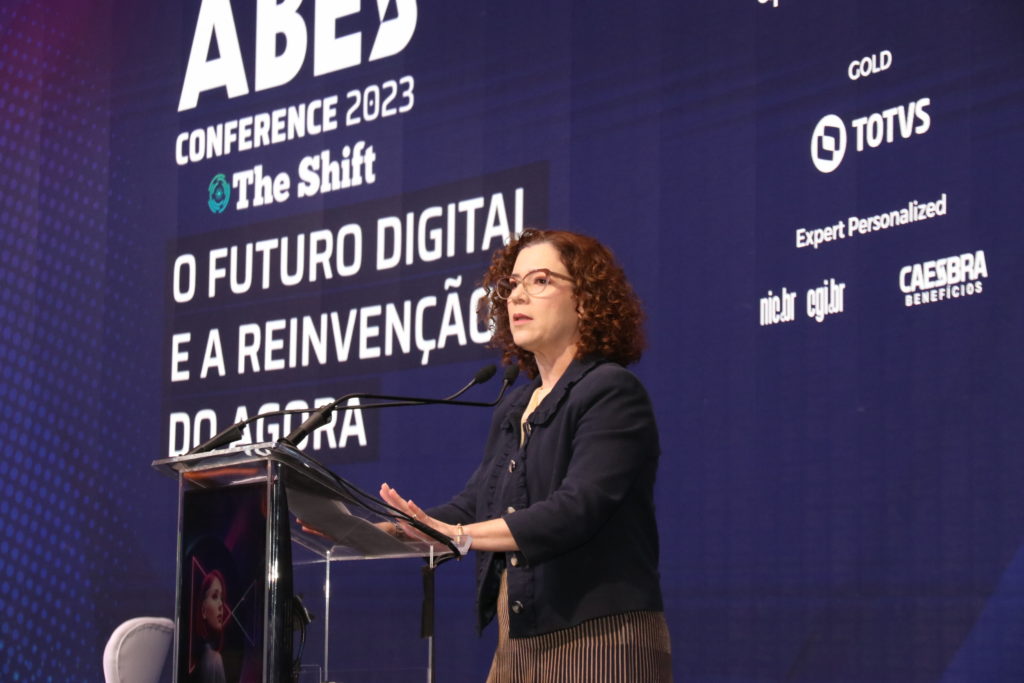 According Marcia Nejaim, professional responsible for Sustainability, International Market and Business Strategy projects at ApexBrasil, in 2021, 53.4% of the companies supported by the Brazilian Export and Investment Promotion Agency (ApexBrasil) were MSEs. “The number is equivalent to 7.8 thousand companies among the 15 thousand served by the Agency in various sectors last year. And Apex’s objective is to provide these companies with a greater chance of doing business.” The executive also highlighted that Apex has been a partner with technology companies for at least 20 years and the agency is available to support technology companies, including startups. “Studies show that companies that export innovate more, create higher quality jobs and pay better. Focusing on the international market is a powerful instrument for economic development”, he stated.
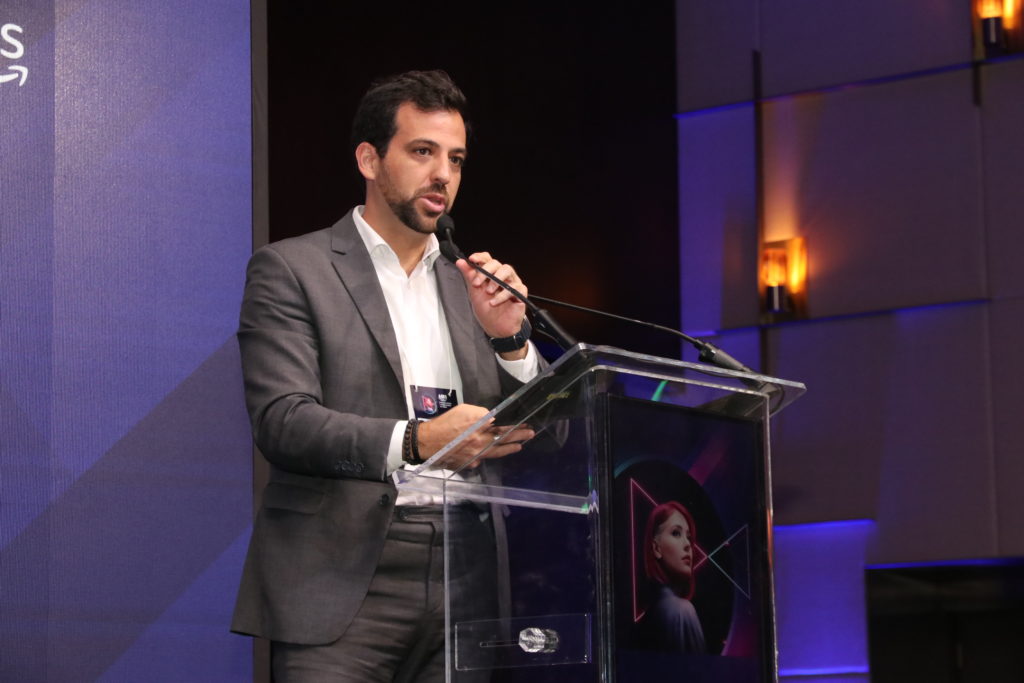 “Supporting innovation is a strategic priority for BNDES. To provide this support, the Bank seeks to act in line with current public policies and in a complementary manner to other institutions of the National Innovation System”, he commented. José Luís Gordon, Director of Productive Development, Foreign Trade and Innovation at BNDES. He also mentioned some areas that are relevant to Brazilian reindustrialization policy: green industry, innovation, increased productivity, especially for small companies, which need to advance in digitalization.
digital government
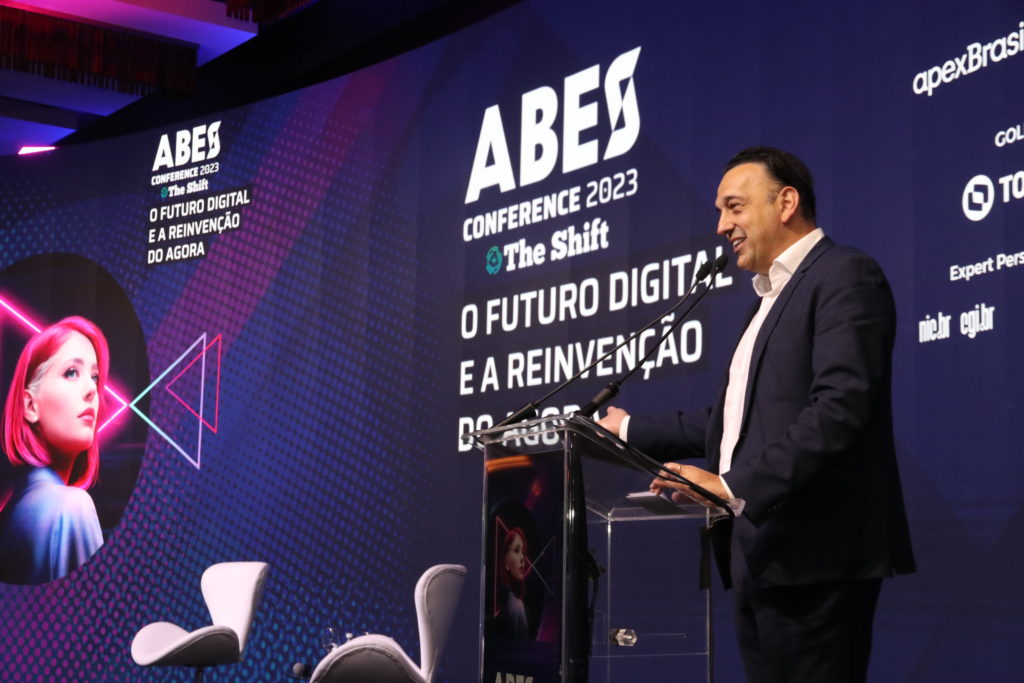 While the adoption of computers took decades and smartphones only a few years, the next technological transformations that affect companies and consumers could be faster. The vice-governor of the State of São Paulo, Felício Ramuth, presented some actions carried out by the state government aimed at innovation with the aim of making the State lighter, more flexible and less bureaucratic and adapting increasingly to the demands of the 21st century, which includes the launch of the Digital Government Strategy, which aims to unite initiatives by 2026 to transform the services offered by the government. He cited the implementation of the new Tendering Law and Tax Reform as challenges. “But, we are certain that together we will overcome these obstacles and the state government is available to listen and contribute to the software and technology sector”.
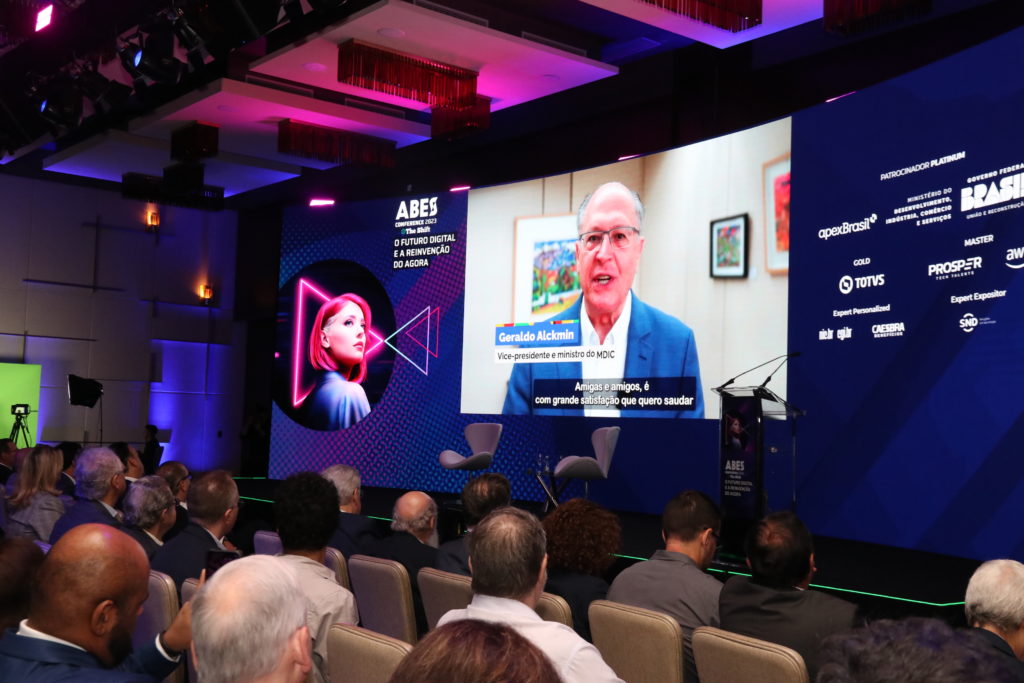 The vice-president and minister of Development, Industry, Commerce and Services (MDIC), Geraldo Alckmin, commented that the technology sector in the country is a generator of jobs, allows greater access to the international market, and provides sustainability. “May days of greater growth and social justice come”, he reinforced.
In short, the digital future offers a world of possibilities. As we move forward in this era of technological transformation, it is important to address emerging challenges and concerns such as cybersecurity, data privacy and digital inclusion. At the same time, we must seize the opportunity to reinvent the now and shape a more sustainable and inclusive future by harnessing the power of technology to address global challenges. Reinventing the now offers opportunities to rethink and reshape our society in a more sustainable and resilient way. It is possible to seek innovative solutions to global problems, such as climate change, inequality and poverty. Technology can play a key role in these efforts, providing tools and resources to address these challenges in a more efficient, inclusive and democratic way.