



To achieve global climate goals, the scientific consensus is clear: it is not enough to simply reduce future emissions; it is necessary to remove the carbon that is already in the atmosphere. Faced with this challenge, Microsoft is taking a pioneering position in creating a robust carbon dioxide removal (CDR) market, betting on a diversified portfolio that combines nature-based solutions and cutting-edge engineering.
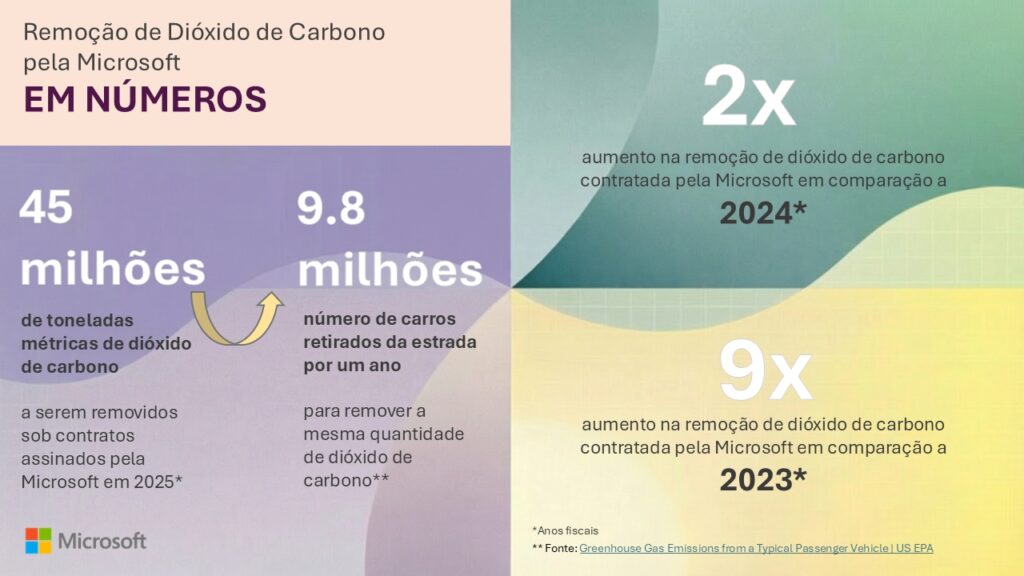
In fiscal year 2025, the technology company signed record agreements to remove 45 million metric tons of CO2, collaborating with 21 companies in various countries, including Brazil. This initiative is a vital part of the company's commitment to becoming carbon negative by 2030 and removing all of its historical emissions by 2050.
Innovation on multiple fronts
Microsoft's strategy stands out for the variety of methods it supports. In the US, the partnership with... Lithos Carbon It uses volcanic rock powder spread on crops to convert carbon into bicarbonate, which ends up stored in the oceans for millennia. In Bolivia, however, the Exomad Green transforms forest waste into biochar, a type of charcoal that fixes carbon in the soil.
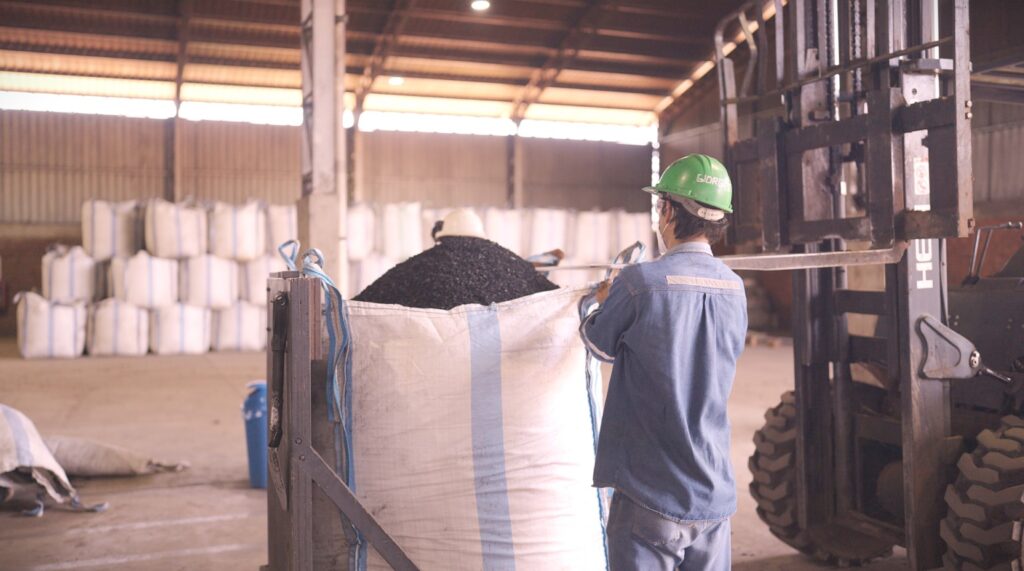 Biochar is a soil enhancer created using a type of decomposition that breaks down organic elements and is used to help retain carbon dioxide. Photo courtesy of Exomad Green.
In Europe, heavy engineering is gaining ground with the Stockholm Exergi. The Swedish company is adapting a bioenergy plant to capture CO2 and store it in the depths of the North Sea, a technique known as BECCS.
Brazil's role and technology in the field.
Brazil occupies a strategic position in Microsoft's portfolio through its partnership with... re.green. The project uses drones and satellites to monitor reforestation in the Amazon and Atlantic Forest, replacing old measuring tapes with precise data on forest growth and carbon capture.
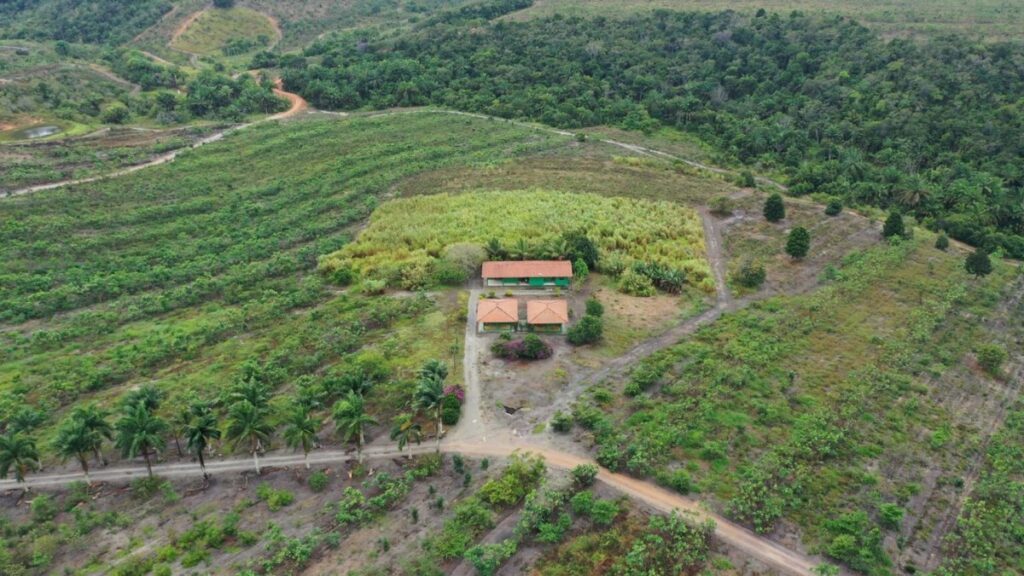 Re.green operates as an ecological restoration company, recovering land that has been deforested for decades or even centuries. Photo provided by re.green.
In addition to reforestation, regenerative agriculture is a central pillar. Through Agora Carbon Alliance, Farmers are encouraged to adopt practices that transform the soil into a natural carbon sink, such as no-till farming and pasture rotation.
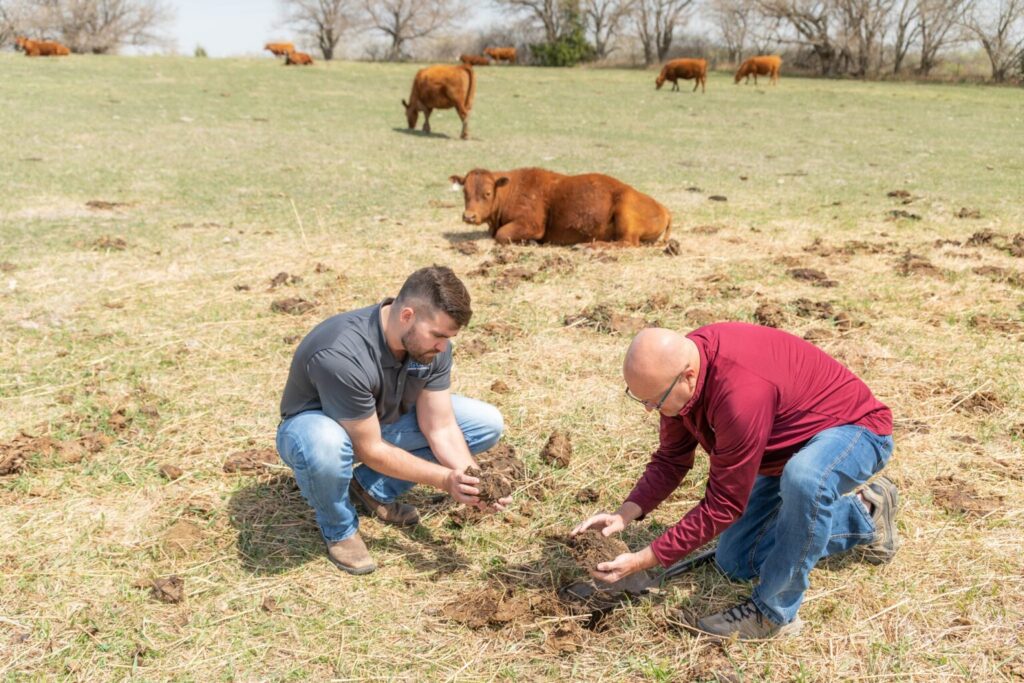 Agoro encourages ranchers to rotate animals to avoid overgrazing and stimulate plant growth. Photo provided by Agoro.
Rigor and Economic Viability
For Phil Goodman, director of Microsoft's Carbon Removal Portfolio, "measurement is the backbone of this industry." The company applies rigorous due diligence to ensure that the credits purchased represent real and lasting removal. By acting as an early adopter, Microsoft not only acquires credits but also enables the necessary funding for these emerging technologies to scale, helping to build a future in which carbon removal is a standard tool in combating the climate crisis.