



Cybercrime is the third largest economy in the world, generating US$$8 trillion in 2023, with a forecast of reaching US$10.5 trillion in 2025, according to AWS
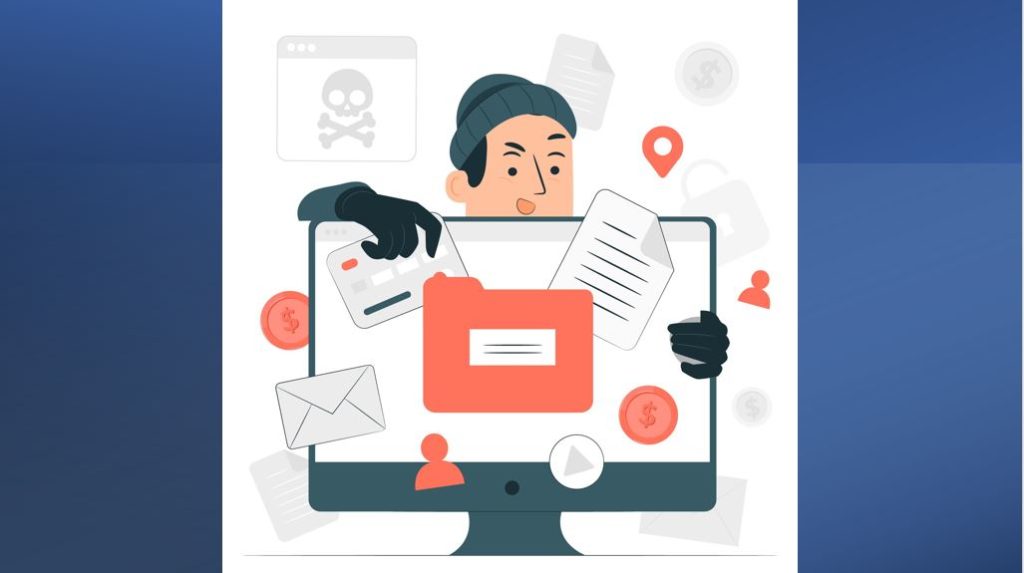
According to data from AWS (Amazom Web Service), one of the largest cloud service providers, cybercrime is the third largest economy in the world, generating US$ 8 trillion dollars in 2023, with a forecast of reaching US$ 10.5 trillion in 2025 These numbers reinforce that concerns about cybersecurity should be at the top of the list of priorities for CIOs in any segment and the supply chain is no different.
For Waldir Bertolino, Country Manager at Infor in Brazil, the three main problems that threaten the digitalization of the global supply chain are: vulnerable systems, leakage of access login information and invasions by hackers and viruses. “Even today, no industry has consolidated a mature and systematic approach to managing third-party risk, which is why it is essential to invest in digital protection”, adds the executive.
Experts point to the cloud as a safer option
For many IT experts, storing information on local servers can already be considered outdated, especially when it comes to security. For this reason, Waldir emphasizes the need to invest in migrating legacy systems to the cloud. “Cloud software has cutting-edge technology and a team specialized in cybersecurity, which frequently updates the platform with new data protection measures and tracks any suspicious movement. Local servers are more vulnerable to attacks and require regular maintenance and updates to stay protected”, explains Infor's Country Manager.
“To guarantee this security in the cloud, leaders must choose a provider that is supported by a reliable and secure environment, such as AWS, and that has in-depth knowledge of the company's sector. These are mandatory requirements to help organizations identify where the main risks are and how to mitigate them”, adds Bertolino.
Protect your supply chain
For countries like Brazil, which deal with a logistical infrastructure of continental proportions, integration between means of transport is one of the main challenges when planning cargo movement operations. To make matters worse, Brazil is the only country of its size that relies on the highway system as the main means of transporting cargo and people. “It is extremely important to ensure connectivity and traceability throughout the chain in a territory of continental proportions like ours. We have to worry about protecting both the shipments, the logistics operation, the people and organizations that make up this ecosystem”, warns Bertolino.
The German data platform Statista estimates, in its current statistic published in September, which by the end of this year, global investments in cybersecurity will reach 166 billion dollars. This is proof that leaders are increasingly concerned about cybercrime and the preservation of their chains. For medium and large companies, which are the main victims of cyber attacks, any discontinuity in their operations can result in delays, loss of supplies and business interruption.
“To prevent cyber attacks, companies need to structure an effective risk management dossier and invest in a cloud supply chain solution that offers 360º supervision of the chain”, explains the executive.
“Organizations that do not move and start investing, not only in digitalization, but in the protection of information, will be exposed to any type of digital threat and will put their business at risk. It’s past time to protect one of the company’s biggest assets: data”, says the Country Manager.