



Crypto ID – 12/03/2026

A document prepared by ABES highlights artificial intelligence, digital infrastructure, and cybersecurity as strategic priorities.
The Brazilian Association of Software Companies (ABES), whose purpose is to build a more digital and less unequal Brazil, launched its Regulatory Agenda 2026, consolidating its vision of a National Project for the Digital Age in the context of the new global geopolitics.
Prepared by the ABES Regulatory Committee, with support from other committees, working groups, the board of directors, the council, and researchers from the ABES Think Tank, the document brings together strategic guidelines for public policies capable of strengthening Brazilian competitiveness, attracting investments, and expanding the country's competitive digital sovereignty.
The 2026 scenario is marked by the acceleration of the global race for artificial intelligence and computing infrastructure, especially between the United States and China, with direct impacts on investment flows, production chains, and geopolitical positioning. For ABES, technology has ceased to be merely an economic sector and has come to represent critical infrastructure for productivity, resilience, and national sovereignty.

“Digital transformation needs to be treated as a state policy. Brazil has a strategic window to expand its global competitiveness, but this requires strong governance, legal certainty, and adequate incentives for innovation. Our 2026 Regulatory Agenda proposes a balanced path to consolidate Brazil's competitive digital sovereignty.””Andriei Gutierrez, president of ABES, emphasizes.
Key themes of the ABES Regulatory Agenda 2026
Published since 2022, the ABES Regulatory Agenda is a dynamic document, updated annually to reflect the country's economic, technological, and regulatory challenges. The 2026 version is available for download on the Association's website. See the highlights below:
- Centralized digital governance: ABES advocates for the re-establishment of a centralized and politically empowered governance structure to lead Brazil's digital transformation, with strategic coordination of topics such as artificial intelligence, digital infrastructure, and semiconductors, directly linked to the Presidency of the Republic.
- Artificial Intelligence (AI): The Association advocates for AI to be a national priority by 2026, with policies to stimulate its development, adoption, and professional training. ABES supports risk-based regulation, focused on high-impact applications, avoiding overly prescriptive models that could compromise competitiveness and discourage investment.
- Digital infrastructure and data processing: With the growing demand for computing capacity, ABES highlights the need to expand the national data center network. The organization supports the creation and regulation of the Special Regime for Taxation of Data Center Services (REDATA), as an instrument to attract investments and position Brazil as a sustainable data processing hub, taking advantage of its predominantly renewable energy matrix.
- Cybersecurity: ABES advocates for the effective implementation of the National Cybersecurity Policy (PNCiber), the consolidation of a Legal Framework for Cybersecurity, and the creation of robust national governance. It also proposes specific credit lines and professional qualification programs to strengthen the country's digital resilience.
- Public procurement and digital government: The organization reinforces the importance of public procurement as an instrument of innovation, advocating for greater efficiency in the application of the New Bidding Law, interoperability of systems, and the strengthening of digital public infrastructures, such as Gov.br and Pix. It also proposes the creation of a Guarantee Fund to support digital transformation projects in municipalities.
- Taxation: ABES continues to work to ensure that tax reform preserves the competitiveness of the technology sector, avoiding increased tax burdens and distortions that discourage the digitalization of the economy. It advocates for presumed payroll tax credits for technology-intensive companies and legal certainty on issues such as imported software and embedded software.
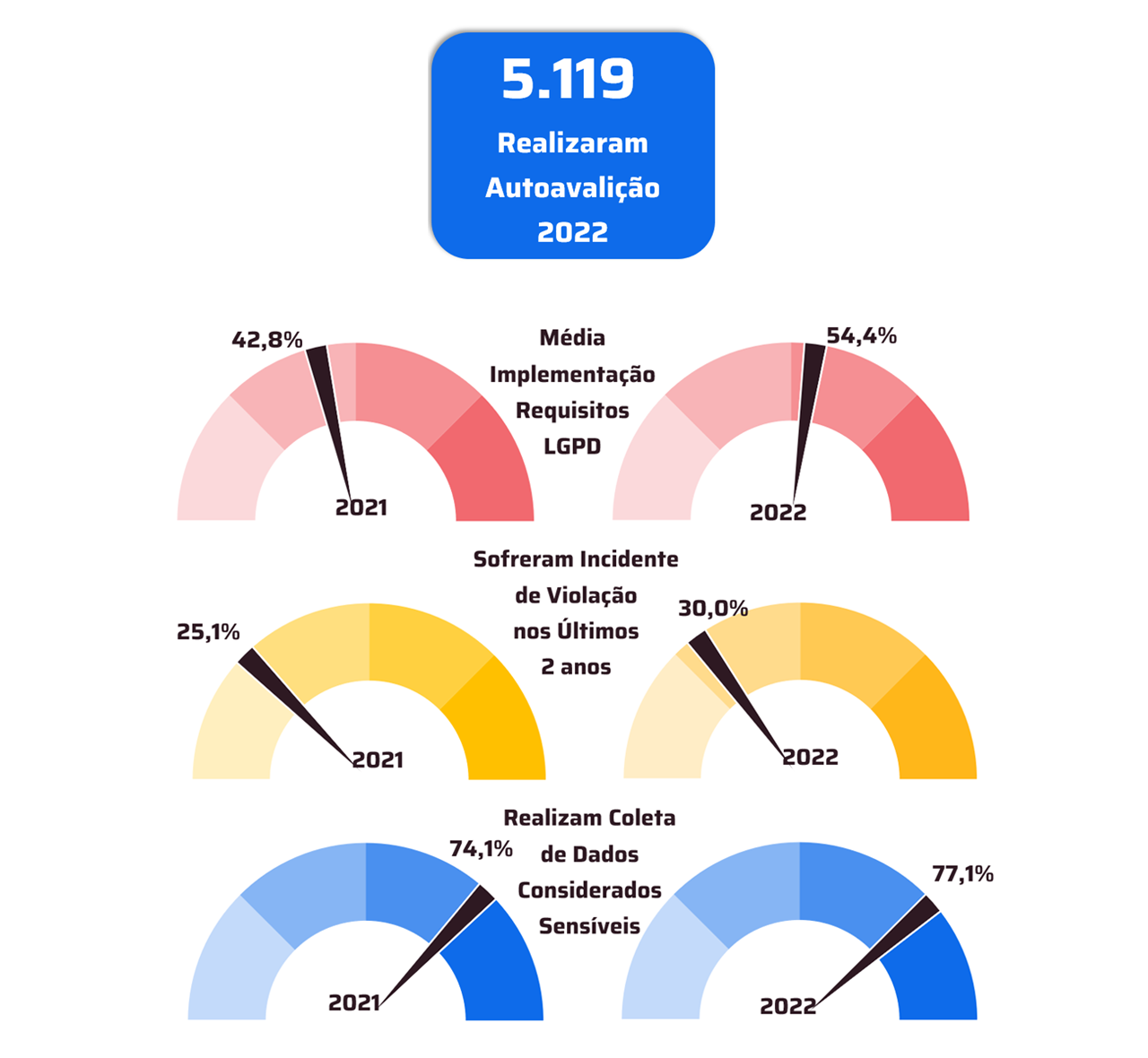
- Privacy and data protection: The entity reaffirms its commitment to the LGPD (Brazilian General Data Protection Law) and advocates for the strengthening of the ANPD (National Data Protection Authority), as well as legal certainty in international data transfers and proportionate regulations for small data providers.
- Digital platforms: ABES supports differentiated and proportionate regulation, avoiding regulatory overlap and prioritizing legal certainty, interoperability, and the encouragement of digital entrepreneurship.
- Human capital and inclusion: Faced with a shortage of qualified professionals, the organization advocates for structured policies for training, retraining, and attracting talent, including migration policies focused on the technology sector.